What does the Wallet Safety Checker do?
It looks at a public crypto address and tells you whether anything about it is risky. It works on Ethereum-style networks (Ethereum, Base, Arbitrum, Optimism, Polygon and BNB Chain), on Tron and on Bitcoin.
You only paste the address. You don't connect your wallet, and you don't sign anything. Note that a wallet address is public anyway: anyone can look it up on a blockchain explorer.
You can check your own wallet, or any address before you send money to it.
What is a token approval?
When you use a crypto app, such as an exchange or an NFT market, your wallet asks you to "approve" it. This gives the app permission to move a token out of your wallet for you. Ethereum-style networks and Tron both work this way.
Many apps ask for an unlimited approval, so you don't have to approve again next time. The problem is that the permission stays in place after you stop using the app. It stays there for months or years, until you remove it.
This is what makes approvals so useful to attackers. A fake website asks you to sign an approval, and later the attacker uses it to empty the wallet. Basically, you hand over the key yourself. In 2025, approval-type signatures (Permit and Permit2) were behind 38% of losses in wallet-draining cases over $1 million, according to Scam Sniffer.
Why is Bitcoin different?
Bitcoin has no approvals. Every payment needs a new signature from the owner, so no app can hold standing permission over the coins.
So, on Bitcoin we check three other things: whether the address is on the US sanctions list, what its history looks like, and whether look-alike addresses have appeared in it. On Bitcoin, the biggest risks are a stolen recovery phrase and sending money to the wrong address.
What is address poisoning?
The attacker creates an address that starts and ends with the same characters as one you paid before. Then they send you a tiny or zero-value payment from it, so the fake address shows up in your transaction history.
Next time you pay that person, you copy the address from your history. You check the first and last few characters, and they match. But the money goes to the attacker.
This is what makes poisoning so effective: you take the final action yourself, and everything looks normal. The tool looks for these look-alike addresses in recent Bitcoin transactions and recent USDT transfers on Tron.
Why does the tool say my address has a typo?
Tron and Bitcoin addresses contain a built-in check. If even one character is wrong, the check fails. So, if the tool says there is a typo, copy the address again from your wallet app instead of typing it.
What do the grades mean?
| Grade | Meaning |
|---|---|
| A | No risky approvals or flagged activity found. |
| B | No serious problems. Some approvals are worth cleaning up, such as unlimited approvals to apps you may not use anymore. |
| C | One serious risk, such as an approval to an app whose code is not published. Fix it soon. |
| D | Two or more serious risks, such as look-alike addresses or payments with sanctioned addresses. Fix them today. |
| F | A critical risk, such as an approval to a known scam address, or an address on a scam or sanctions list. Act now. |
What should you do with a low grade?
- Remove risky approvals. On Ethereum-style networks, the results show how, using revoke.cash. On Tron, use the Approval tab on tronscan.org. Each removal is a small transaction, so it costs a network fee.
- Remove approvals for apps you no longer use. Fewer open permissions means less to lose if an app is ever hacked.
- Never copy an address from your transaction history. Copy it from the person or the official app each time, and check every character.
- If something is already missing, create a new wallet yourself and move what is left into it. Do not reuse the old recovery phrase.
- Ignore free tokens you did not buy. Do not try to sell them, and never visit websites named in them.
What will we never ask you?
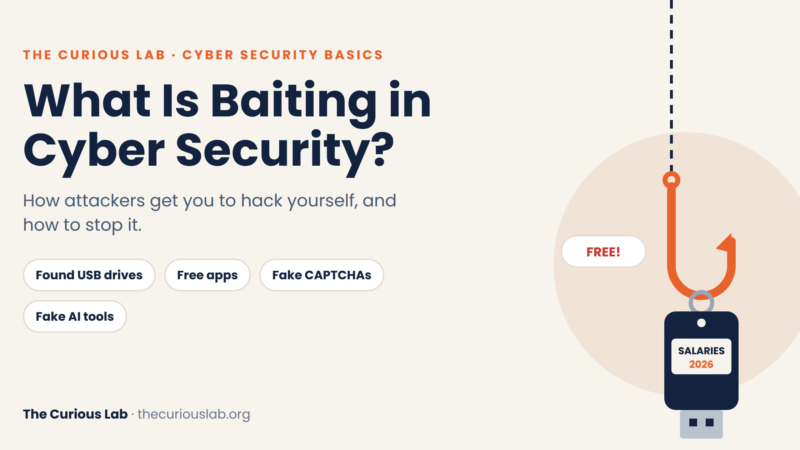
We will never ask you to connect your wallet, sign a message or share your recovery phrase. No real support team will ever ask for your recovery phrase. Note that fake "wallet checkers" and fake "revoke" sites are a common bait, so always type the address of a tool like revoke.cash or tronscan.org yourself.
Where does the data come from?
Approvals and scam lists for Ethereum-style networks come from GoPlus Security, and recent activity from Etherscan. Tron approvals and transfers come from Tronscan, with scam checks from GoPlus. Bitcoin history comes from mempool.space. The US sanctions list (OFAC) for Bitcoin and Tron comes from a public list that is updated every night.
Our server asks these services on your behalf, so they don't see your IP address. Scam lists are never complete, so a good grade does not prove an address is safe.
Sources: Scam Sniffer 2025 phishing report, OFAC sanctioned address lists.